

Buea, Cameroon
Engineering & Technology Faculty Handbook
For students of the Faculty of Engineering and Technology — programmes, assessment, research expectations and graduation.
Part I
Dean’s Welcome
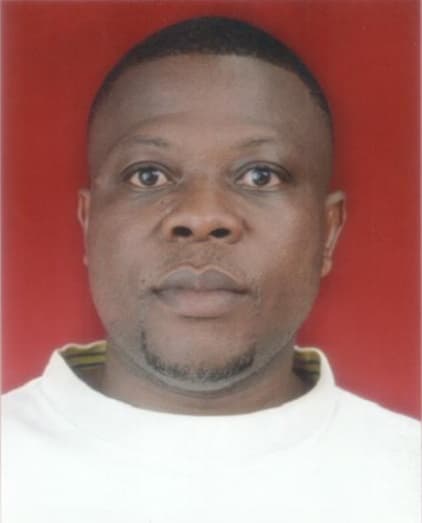
Kamgang Marcel
Dean · Engineering & Technology
Innovation drives national development. The Faculty of Engineering and Technology prepares graduates who combine technical expertise, creativity, ethical leadership, and practical problem-solving.
Students engage in project-based learning, laboratory practice, research, and industry collaboration to address real-world engineering and technological challenges.
Part II
About the Faculty
The Faculty of Engineering and Technology teaches applied technical disciplines with a strong emphasis on practical competence and employment. Provision spans diploma, Higher National Diploma and degree level.
Courses are structured around what employers actually require, and the faculty maintains the university’s strongest emphasis on hands-on project work.
In preparation
Faculty history and academic calendar
A faculty handbook normally opens with the faculty's own history and the year's dates. Neither has been supplied.
- When the faculty was founded, and by whom
- Milestones a student would want to know
- Semester dates, registration windows and examination periods for this faculty
Part III
Programmes
The faculty awards 2 programmes across 2 levels.
Diploma
- Computer Networking
Practical computer networking — infrastructure, administration and security for modern organisations. Related tracks include Hardware Maintenance, Laptop Chipsets and Air Conditioning & Refrigeration.
Bachelor
- Software Engineering
From programming foundations to full-stack development and software project delivery, with hands-on labs throughout. Related tracks include Webmaster, Oracle Database and Computerized Accounting.
Study load
- Certificate. Minimum 10 and maximum 12 subjects per year.
- Ordinary Diploma. Minimum 10 and maximum 12 subjects per year.
- Bachelor’s Degree (distance learning). Minimum 10 and maximum 12 subjects per year.
- Bachelor’s Honours Degree (distance learning). One full academic year, to a maximum of eight subjects.
- Master’s Degree. Coursework and dissertation combined; a small number of degrees may be taken by thesis only.
- Doctorate and Ph.D.. Mostly by dissertation, with the exception of a few doctorates in the business sciences.
Part IV
Course Descriptions
No course list with codes has been supplied for this faculty’s programmes yet.
Course catalogue (8)
| SWE | Software Engineering | Bachelor |
| NET | Computer Networking | Diploma |
| WEB | Webmaster | Diploma |
| ORA | Oracle Database | Certificate |
| HWM | Hardware Maintenance | Certificate |
| LCH | Laptop Chipsets | Certificate |
| ACR | Air Conditioning & Refrigeration | Certificate |
| CAC | Computerized Accounting | Diploma |
Part V
Assessment and Grading
The pass mark is 65%, and grades run from A at 93–100% to F. The full scale with grade points is in the Academic Regulations.
Diploma and undergraduate courses
| Participation — engagement in class discussion and activities | 20% |
| Assignments — written assignments and projects | 30% |
| Examinations — midterm and final | 30% |
| Presentations — preparation and delivery of oral presentations | 20% |
Master’s courses
| Participation — class discussion and online forums | 20% |
| Research paper — 5,000 words | 30% |
| Presentations | 20% |
| Final examination — comprehensive, covering all modules | 30% |
Part VI
Research Expectations
Research in this faculty concentrates on 12 areas. Students are encouraged to pursue research contributing both to academic scholarship and to practical service.
- Computer Science
- Artificial Intelligence
- Cybersecurity
- Software Engineering
- Renewable Energy
- Electrical Engineering
- Mechanical Engineering
- Civil Engineering
- Internet of Things
- Robotics
- Smart Cities
- Data Science
Research degree candidates should read the Graduate School Handbook, which sets out admission, comprehensive examinations, research methodologies and the dissertation.
Part VII
Graduation Requirements
A graduating student with outstanding fees will have a hold placed on transcripts, diplomas and degrees until those fees are paid in full.
Doctoral candidates complete all required coursework, pass comprehensive examinations, and defend the dissertation before a faculty committee.
In preparation
Credit totals, GPA minimum and classification
The requirements to graduate from each award in this faculty have not been adopted.
- Credit total required for each award
- Minimum cumulative GPA to graduate
- Residency requirement — how much must be taken at ICOF
- Degree classification bands and their names
Part VIII
Contact
Faculty of Engineering and Technology
Buea, Cameroon · Dean: Kamgang Marcel
Opposite Bulu Blind Junction, Buea-Cameroon
+237 675 133 426 · info@iguc.net
ICOF Global University · Faculty of Engineering and Technology Handbook · Sections marked “In preparation” are pending adoption.